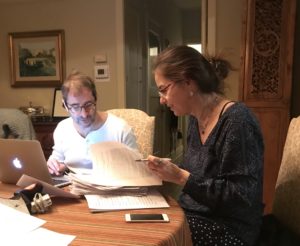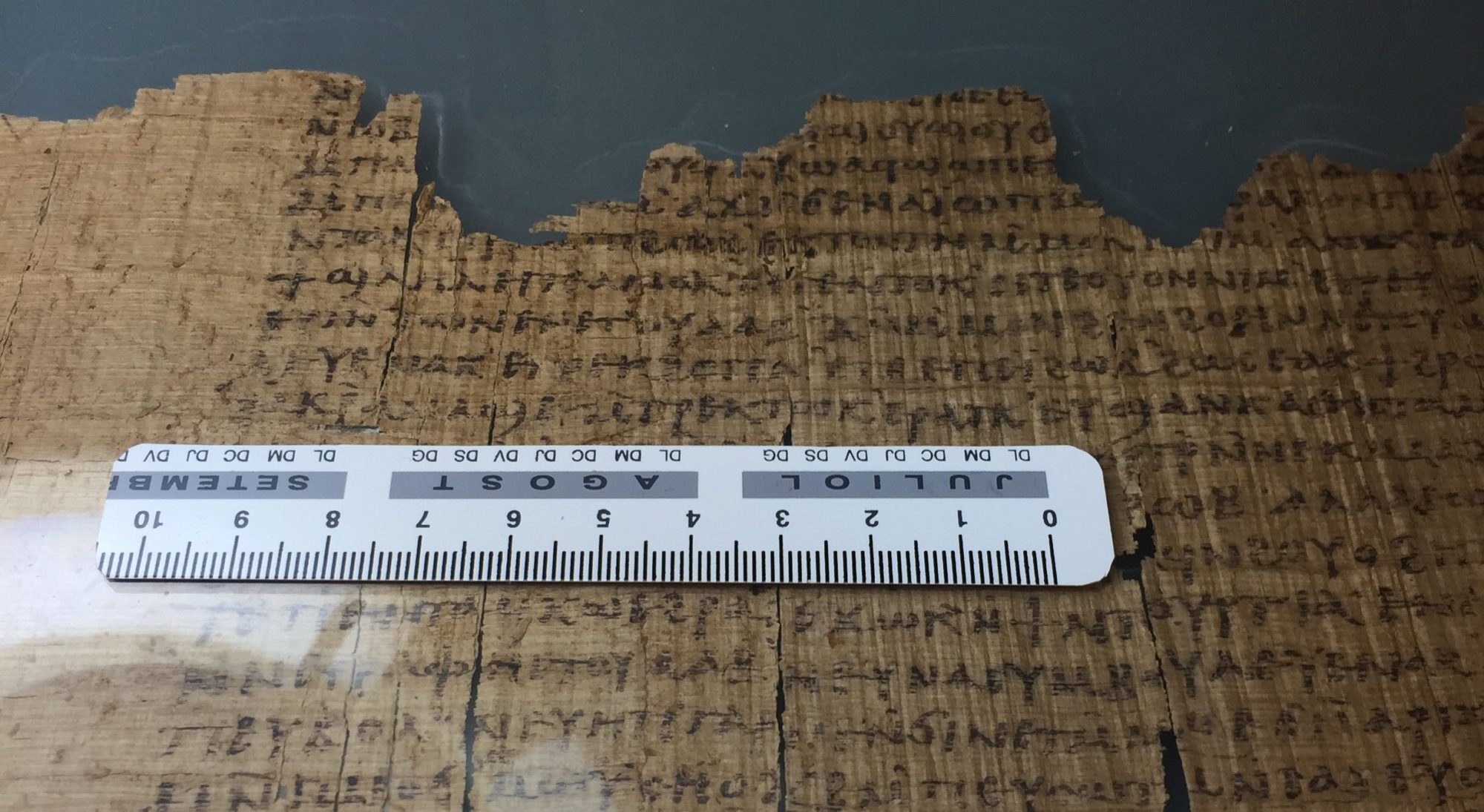
Last week (1-8 march) Amalia Zomeño and I spent a week of work at the warehouse of the Council of Antiquities in Aswan, Egypt, studying the ostraca excavated by the Swiss institute (our annual visit: we have already reported our activity in the past here). To date, there are 1823 ostraca in almost all possible languages found in Egypt. A high percentage of them are unsurprisingly in Greek, mostly military and administrative documents from the Roman period, although there is a remarkably interesting group of Arabic texts (this year they almost hit the 200), that attest to the small economy of this city in the period around the 9th-10th cent.
This year we brought with us an IR camera and photographed away as many ostraca we could. Even if it was not a very professional camera, and we are not experienced photographers, we managed to obtain very good results in many cases which will help reading some difficult texts. See the images below:

On the way back I had the fortune of admiring Alexandria from the sky. Absolutely wonderful!


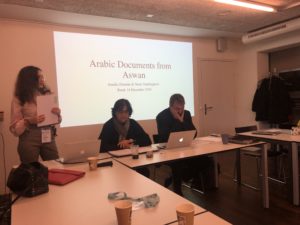 Texts in ostraca, papyri, dipinti and wall inscriptions were discussed together with archeology and artifact studies. This was an enriching and thought provoking conversation. I want to thank Stefanie for such a wonderful initiative, which will no doubt lead to further collaborative work and more interesting meetings.
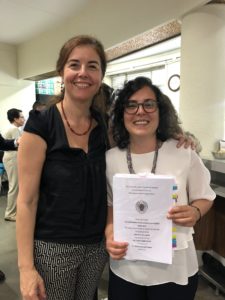 I am proud to announce that my student, now colleague, Alba de Frutos García, who defended her dissertation “The funerary workers in Ptolemaic Egypt”, just received the Prize to doctoral dissertations from the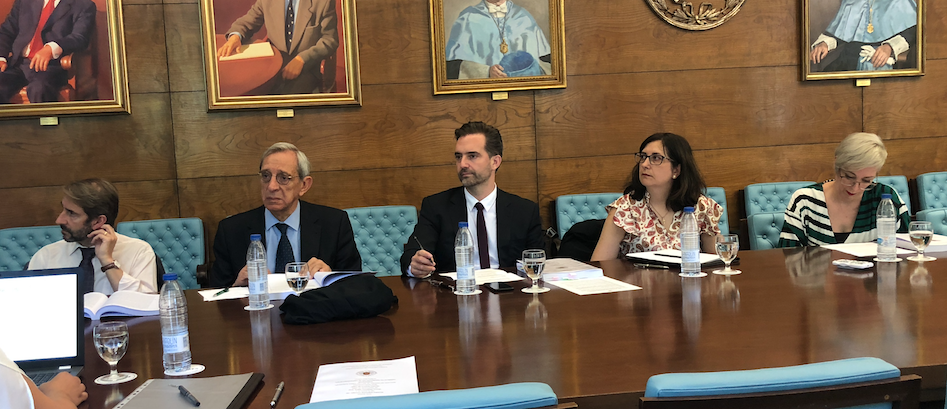
 November 7-14th Alberto Nodar joined me in Chicago to work on the proofs of the proceedings of the